Radiotherapy
Introduction
Radiotherapy treats cancer by using high-energy rays, which destroy the cancer cells while doing as little harm as possible to normal cells.
Radiotherapy is often given as an alternative to surgery, which might then only be necessary if the cancer comes back later on. Giving radiotherapy means that the bladder does not need to be removed, but you will need to have cystoscopies (usually every 3 months or so) after the treatment to make sure that the cancer has not come back.
The treatment is normally given in the radiotherapy department as a series of short daily sessions. The treatments are usually given from Monday to Friday, with a rest at the weekend. The number of treatments will depend on the type and size of the cancer, but the whole course of treatment will usually last from between four to seven weeks. Each treatment takes from 10-15 minutes. Your doctor will discuss the treatment and possible side effects with you.
Planning radiotherapy
Planning is a very important part of radiotherapy and may take a few visits.
Radiotherapy has to be carefully planned to make sure that it is as effective as possible. On your first visit to the radiotherapy department, you will have a CT scan or will be asked to lie under a machine called a simulator, which takes x-rays of the area to be treated. The treatment is planned by a clinical oncologist (a cancer specialist). A radiographer is the person who gives you your treatment.
Marks are usually drawn on your skin to help the radiographer to position you accurately and to show where the rays are to be directed. These marks must remain visible throughout your treatment, and permanent marks (like tiny tattoos) may be used. These marks are very small, and will only be made with your permission. The marks can sometimes be removed afterwards by laser. You can ask the staff at the radiotherapy department if they can arrange this.
Perfumed soaps, creams or deodorants may irritate the skin and should not be used during the treatment. At the beginning of your treatment you will be given advice on how to look after the skin in the area being treated.
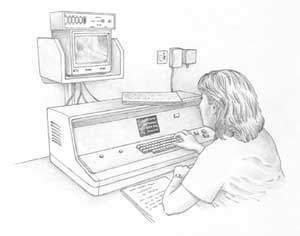
At the beginning of each session of radiotherapy, the radiographer will position you carefully on the couch, and make sure you are comfortable. During your treatment you will be left alone in the room but you will be able to talk to the radiographer who will be watching you from the next room. Radiotherapy is not painful but you do have to lie still for a few minutes while the treatment is being given.
After positioning, you will be left alone for a few minutes while treatment is given, but you can still talk to your radiotherapist by intercom.
Side effects
Radiotherapy to the bladder area may irritate the bowel and cause diarrhoea and soreness around the anus. It may also cause mild cystitis, which can make you want to pass urine more often or cause a burning feeling when you pass urine. Your doctor can prescribe medicines to reduce this. These effects usually disappear gradually a few weeks after the treatment has ended.
For women, radiotherapy to the pelvis can make the vagina become narrower and this can make sex difficult or uncomfortable. This can be avoided by keeping the muscles in the vagina as supple as possible. Hormone creams applied to the vagina, can help and these can be prescribed by your doctor. Regular sex, or use of a vaginal dilator, is often the easiest and most effective treatment. CancerBACUP’s section on sexuality and cancer has more details about this.
For men, radiotherapy to the pelvis can make it more difficult to have an erection. There are various treatments which can help.
Radiotherapy can also cause general side effects such as tiredness. These side effects can be mild or more troublesome, depending on the strength of the radiotherapy dose and the length of your treatment. The radiotherapist will tell you what to expect.
It is important to try to get as much rest as you can, especially if you have to travel a long way for treatment each day.
Although radiotherapy can cause hair loss, this only occurs in the area being treated. For example, if you have radiotherapy to the pelvis you may lose some of your pubic hair. When you have finished the course of treatment, the hair will often grow back. However, the regrowth may be thinner or finer than it was before.
Radiotherapy does not make you radioactive and it is completely safe for you to be with other people, including children, throughout your treatment. After your radiotherapy treatment you will have regular cystoscopies to check for any recurrence of the cancer.
Possible long term side effects
In a small number of people, the bowel or bladder may be permanently affected by the radiotherapy. If this happens the increased bowel motions and diarrhoea may continue, or you may need to pass urine more often than before. The blood vessels in the bowel and bladder can become more fragile after radiotherapy treatment and this can cause blood to appear in the urine or in bowel movements. This can take many months or years to occur. If you notice any blood in your urine or stools it is important to let your doctor know so that tests can be performed and appropriate treatment given.
CancerBACUP’s booklet Pelvic radiotherapy: what you need to know, has tips on coping with these side effects. We would be pleased to send you a copy.
Radiotherapy to the pelvic area is very likely to cause infertility in both men and women.
Page last modified: 02 November 2005
- Q&As
- Related information
- Resources