The structure and function of the breasts
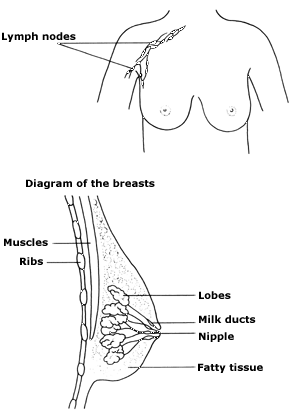
The breasts are made up of fat, connective tissue and glandular tissue which contains lobes. The lobes are where breast milk is produced. A network of ducts connects the lobes to the nipple.
A woman’s breasts are rarely the same size as each other, and may feel different at different times of the menstrual cycle, sometimes becoming lumpy just before a period.
Under the skin, a ‘tail’ of breast tissue extends into the armpit (axilla). The armpits also contain a collection of lymph glands (also called lymph nodes), which are part of the lymphatic system. There are also lymph nodes just beside the breastbone and behind the collarbones.
Content last reviewed: 01 August 2004
Page last modified: 16 November 2005
Page last modified: 16 November 2005